
Red-Eared Slider Turtle Care Guide: Habitat, Diet, Tank Setup & Expert Tips
Introduction
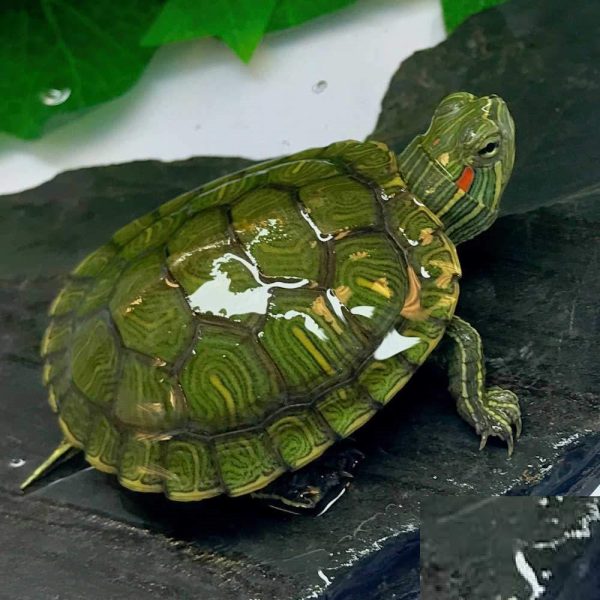
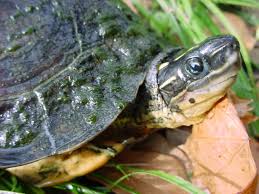
The Red-Eared Slider Turtle is one of the most popular and widely kept freshwater turtles in the world. Known for its green shell and distinctive red markings behind the eyes, this species is active, hardy, and highly adaptable when given proper care.
At thetortoisenturtlesource.com, we provide detailed reptile care guides to help keepers raise healthy reptiles responsibly. In this complete article, you will learn everything about habitat setup, feeding, water quality, basking needs, behavior, and long-term care for Red-Eared Slider turtles.
This species is often sold as hatchlings, but many new keepers underestimate how large and demanding adult care becomes.
What Is a Red-Eared Slider Turtle?
The Red-Eared Slider Turtle (Trachemys scripta elegans) is a semi-aquatic freshwater turtle native to the southern United States and northern Mexico. It is one of the most commonly kept turtles in the pet trade due to its hardiness and availability.
It is named for the red stripe behind each eye and its habit of quickly sliding off basking spots into water when disturbed.
This species is highly adaptable but requires proper long-term setup to thrive.
Natural Habitat and Behavior in the Wild
In the wild, Red-Eared Sliders inhabit ponds, lakes, marshes, slow-moving rivers, and wetlands. These environments provide warm water, basking logs, and abundant vegetation.
They spend much of their time basking in the sun to regulate body temperature and absorb UVB light. When not basking, they forage in water for food.
Their diet includes aquatic plants, insects, small fish, and carrion.
Understanding their natural basking behavior is essential for proper captive care.
Tank Setup and Enclosure Requirements
A proper enclosure is the most important part of keeping a Red-Eared Slider healthy.
Tank Size
- Hatchlings: 40–75 gallon tank minimum
- Adults: 75–120+ gallon tank or indoor pond
More space equals better water quality and healthier turtles.
Water Area Setup
The aquatic environment should include:
- Deep, clean water (with swimming space)
- Strong filtration system
- Smooth gravel or bare bottom (easier cleaning)
- Aquatic plants and decorations for cover
Clean water is critical for preventing disease.
Basking Area
A dry basking platform is essential. It should include:
- Heat lamp (85–90°F)
- UVB lighting
- Easy access from water
- Stable, dry surface
Turtles must be able to fully dry off while basking.
Temperature and Water Requirements
Proper temperature control is essential for health and digestion.
Temperature Range
- Water temperature: 75–80°F (24–27°C)
- Basking area: 85–90°F (29–32°C)
- Night drop: slight cooling is acceptable
Water Quality
- Strong filtration is required
- Partial water changes weekly
- Avoid chlorine and contaminants
- Maintain clear, oxygen-rich water
Poor water quality is the most common health issue in this species.
Lighting and UVB Needs
UVB lighting is absolutely essential. Without it, turtles develop shell deformities and metabolic bone disease.
Provide:
- UVB light (10–12 hours daily)
- Heat lamp for basking
- Proper distance between light and basking spot
Natural sunlight is ideal when possible.
Feeding and Diet Plan
The Red-Eared Slider Turtle is omnivorous and requires a balanced diet.
Protein Sources
- Turtle pellets
- Earthworms
- Crickets
- Small fish
- Shrimp (occasional)
Plant-Based Foods
- Aquatic plants
- Romaine lettuce
- Dandelion greens
- Duckweed
- Kale (occasional)
Feeding Schedule
- Hatchlings: daily feeding
- Juveniles: daily or every other day
- Adults: every 2–3 days
Diet balance should shift toward more plant matter as they age.
Behavior and Temperament
Red-Eared Sliders are active, alert, and strong swimmers. They spend time both basking and swimming throughout the day.
They are not handling pets and may become stressed with frequent interaction.
They are best enjoyed as display animals in a properly set up aquatic habitat.
Health and Common Problems
Proper care prevents most health issues.
Common Health Problems
- Shell rot from dirty water
- Respiratory infections from cold temperatures
- Metabolic bone disease from lack of UVB
- Overgrowth or obesity from poor diet
Prevention Tips
- Maintain clean filtered water
- Provide daily UVB exposure
- Offer balanced omnivorous diet
- Keep stable temperatures
- Avoid overcrowding
Growth and Lifespan
With proper care, Red-Eared Sliders can live 20–40 years or more. They grow steadily and require increasing tank size over time.
Long-term commitment is essential.
Tank Mates and Compatibility
They can sometimes be housed with other large aquatic turtles, but aggression and competition are common.
Solitary housing is safest for most keepers.
Handling and Interaction
Handling should be minimal. Excess handling causes stress and may lead to illness.
Observation is the best way to interact with this species.
Breeding Overview
Breeding is possible in large outdoor or pond setups. Females lay eggs on land, requiring sandy nesting areas.
Incubation requires controlled temperature and humidity conditions.
Expert Care Tips
Here are professional recommendations:
- Provide large swimming space
- Maintain strong filtration system
- Use UVB and basking heat daily
- Feed balanced omnivorous diet
- Keep water clean at all times
- Provide proper basking structure
Why Red-Eared Sliders Are So Popular
They are popular because they are:
- Hardy and beginner-friendly
- Active and fun to observe
- Widely available
- Highly adaptable
- Long-lived reptiles
Final Thoughts
The Red-Eared Slider Turtle is one of the most well-known freshwater turtles in the world. With proper tank setup, clean water, UVB lighting, and a balanced diet, it can live a long and healthy life in captivity.
It is best suited for keepers who can maintain large aquatic setups and consistent care routines.
At thetortoisenturtlesource.com, we promote responsible reptile keeping and proper husbandry practices to ensure every turtle thrives in captivity.
Reviews
There are no reviews yet.