
Southern Painted Turtle Care Guide: Habitat, Diet, Behavior & Setup
Introduction
The Southern Painted Turtle is one of the most popular freshwater turtle species kept in the reptile hobby. Known for its beautiful shell markings, calm temperament, and manageable size, it is often recommended for beginners who want a hardy and active aquatic pet.
At thetortoisenturtlesource.com, we focus on providing clear and reliable reptile care information to help keepers raise healthy turtles in captivity. In this complete guide, you will learn everything about habitat setup, feeding, behavior, tank requirements, and long-term care for this species.
The Southern Painted Turtle is widely appreciated because it adapts well to aquarium life when proper conditions are provided. With the right setup, it becomes an engaging and long-lived companion that is easy to observe and care for.
What Is a Southern Painted Turtle?
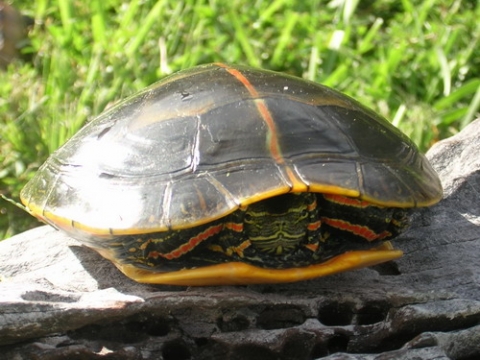
The Southern Painted Turtle is a subspecies of painted turtle found in freshwater habitats. It is recognized by its smooth shell, colorful red and yellow markings, and striped skin patterns.
This species is semi-aquatic, meaning it spends most of its time in water but regularly comes out to bask on logs or rocks. Compared to many other turtles, it is more active and visible, making it a favorite among reptile keepers.
One of the key traits of the Southern Painted Turtle is its adaptability. It can survive in ponds, slow rivers, marshes, and even properly maintained home aquariums.
Natural Habitat and Behavior in the Wild
In the wild, these turtles are commonly found in shallow freshwater environments such as ponds, lakes, marshes, and slow-moving streams. These areas provide warm water, abundant vegetation, and plenty of basking spots.
They are highly dependent on basking to regulate their body temperature. You will often see them stacked on logs or rocks in groups, soaking up sunlight.
The natural diet in the wild includes aquatic plants, insects, small fish, and worms. This varied diet is important to replicate in captivity for proper nutrition.
Understanding their natural habitat helps create a better aquarium environment that reduces stress and supports healthy growth.
Aquarium Setup and Tank Requirements
A proper tank setup is essential for keeping a Southern Painted Turtle healthy and active. A well-designed enclosure should replicate natural conditions as closely as possible.
Tank Size
For a single juvenile, a 40-gallon tank is recommended. Adults will require 75 gallons or more depending on size and activity level. These turtles are strong swimmers and benefit from large water spaces.
Water Depth and Filtration
Water should be deep enough for swimming but still allow easy access to the surface. A strong filtration system is necessary because turtles produce a high waste load.
Frequent partial water changes help maintain clean and stable water conditions.
Basking Area
A dry basking platform is essential. The Southern Painted Turtle needs regular basking to absorb heat and UVB light. Without it, shell and metabolic issues can develop.
Lighting and UVB
UVB lighting is required to support calcium absorption and shell health. A heat lamp should also be provided to maintain a basking temperature of around 85–95°F (29–35°C).
Substrate and Decoration
Smooth gravel or sand can be used as substrate. Driftwood, rocks, and aquatic plants help create hiding areas and reduce stress.
Feeding and Diet Plan
The Southern Painted Turtle is an omnivorous species, meaning it eats both plant and animal matter. A balanced diet is essential for long-term health.
Protein Sources
- Earthworms
- Crickets
- Small fish
- Worm larvae
- Commercial turtle pellets
Young turtles require more protein to support growth and development.
Plant-Based Foods
- Aquatic plants
- Romaine lettuce
- Duckweed
- Dandelion greens
Adults tend to consume more plant matter than juveniles.
Feeding Schedule
Juveniles should be fed daily, while adults can be fed every other day. Overfeeding should be avoided to prevent obesity and water pollution.
A varied diet helps ensure strong immunity and healthy shell development.
Behavior and Temperament
The Southern Painted Turtle is active, social, and often seen swimming or basking during the day. It is not aggressive but can become territorial if kept in small spaces.
It is one of the more visually active turtle species, making it enjoyable to observe in an aquarium setup.
They are generally not suited for frequent handling. Like most turtles, they prefer observation over physical interaction.
When comfortable, they may recognize feeding routines and become more responsive to their environment.
Health and Common Issues
Maintaining proper care conditions is essential for preventing illness in captive turtles.
Common Health Problems
- Shell rot due to dirty water
- Respiratory infections from improper temperatures
- Vitamin A deficiency from poor diet
- Parasites from contaminated food
Prevention Tips
- Maintain strong water filtration
- Provide UVB lighting
- Feed a balanced diet
- Keep water clean through regular changes
- Avoid overcrowding
Good husbandry practices greatly reduce health risks.
Growth and Lifespan
With proper care, the Southern Painted Turtle can live for several decades in captivity. Growth rate depends on diet, temperature, and habitat quality.
Juveniles grow faster when fed protein-rich diets, while adults grow more slowly and require more plant-based nutrition.
A stable and clean environment is the key factor in long-term health and lifespan.
Tank Mates and Compatibility
While generally peaceful, the Southern Painted Turtle may show territorial behavior if kept in small enclosures.
They are best kept alone or in very large tanks with carefully monitored conditions. Mixing with other turtle species is not usually recommended unless there is enough space and resources.
Overcrowding can lead to stress, aggression, and poor water quality.
Handling and Interaction
This species does not enjoy frequent handling. Excess handling can cause stress and increase the risk of illness.
It is best to interact through feeding and observation rather than physical contact.
If handling is necessary, always wash hands before and after to prevent bacteria transfer.
Breeding Overview
Breeding the Southern Painted Turtle in captivity is possible but requires advanced care. It involves proper temperature cycling, nesting areas, and healthy adult turtles.
Females lay eggs in sandy or soft soil areas near water. Incubation must be carefully controlled for successful hatching.
Because of the complexity, breeding is generally recommended for experienced reptile keepers.
Expert Care Tips
Here are professional tips to improve success with this species:
- Always quarantine new turtles before introducing them to a tank
- Provide strong UVB lighting
- Maintain consistent water temperature
- Use high-quality filtration systems
- Offer both swimming space and basking areas
Following these guidelines helps ensure long-term health.
Why Choose This Turtle?
The Southern Painted Turtle is a great choice for reptile keepers because it is:
- Hardy and adaptable
- Visually attractive
- Active and entertaining
- Long-lived with proper care
- Suitable for large aquarium setups
It is one of the most beginner-friendly aquatic turtles when properly maintained.
Keywords for Google Ranking
Southern Painted Turtle care, painted turtle aquarium setup, turtle tank size guide, aquatic turtle diet, freshwater turtle care guide, beginner turtle species, painted turtle habitat setup, turtle feeding schedule, reptile aquarium maintenance, turtle basking requirements, how to care for painted turtles, turtle UVB lighting guide, semi aquatic turtle care
Final Thoughts
The Southern Painted Turtle is a beautiful and active aquatic reptile that thrives in properly maintained aquarium environments. With the right balance of water quality, lighting, diet, and space, it can live a long and healthy life.
For beginners, it offers a rewarding experience due to its activity level and adaptability. However, like all reptiles, it requires consistent care and attention to detail.
At thetortoisenturtlesource.com, we encourage responsible reptile keeping and proper husbandry practices to ensure every turtle thrives in captivity.



Reviews
There are no reviews yet.