
Pelusios niger Turtle Care Guide: Habitat, Diet, Tank Setup & Expert Tips
Introduction
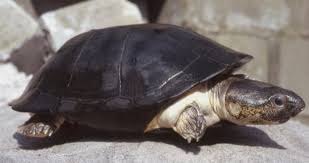
The Pelusios niger turtle is a robust and fascinating African side-neck turtle known for its dark coloration and hardy nature. This species is popular among reptile keepers who want a durable, aquatic turtle that adapts well to captivity when properly cared for.
At thetortoisenturtlesource.com, we provide expert reptile care guides to help keepers succeed. In this complete guide, you will learn everything about habitat setup, feeding, water quality, temperature, behavior, and long-term care for the Pelusios niger turtle.
This species thrives in clean aquatic environments with access to basking areas and a protein-rich diet.
What Is Pelusios niger?
The Pelusios niger is a freshwater side-neck turtle native to West and Central Africa. Like other side-neck turtles, it folds its neck sideways under its shell instead of retracting it straight back.
It is known for its dark shell and strong, muscular build, making it a hardy species compared to more delicate turtles.
This species is primarily aquatic but still benefits from access to land for basking.
It is generally considered suitable for beginner to intermediate keepers.
Natural Habitat and Behavior in the Wild
In the wild, Pelusios niger turtles inhabit slow-moving rivers, swamps, ponds, and wetlands. These environments are warm and often have muddy bottoms and dense vegetation.
They spend most of their time in water, occasionally basking or resting in shallow areas.
Their diet consists mainly of aquatic animals, including insects, small fish, and carrion.
They are opportunistic feeders and adapt easily to available food sources.
Tank Setup and Enclosure Requirements
A proper aquatic enclosure is essential for maintaining health.
Tank Size
- Hatchlings: 40–75 gallon tank
- Adults: 75–120+ gallon tank
Providing larger tanks improves water quality and reduces stress.
Water Area Setup
The aquatic section should include:
- Moderate water depth
- Clean, filtered water
- Gentle to moderate water flow
- Smooth substrate or bare bottom
Strong currents are not necessary but mild movement is acceptable.
Basking Area
A basking platform should include:
- Heat lamp (85–90°F)
- UVB lighting
- Stable dry surface
- Easy access
Even if basking is occasional, it is still important.
Temperature and Water Requirements
Stable temperature supports health and digestion.
Temperature Range
- Water temperature: 75–80°F (24–27°C)
- Basking area: 85–90°F (29–32°C)
- Night drop: slight cooling acceptable
Water Quality
- Strong filtration system required
- Weekly partial water changes
- Clean, clear water
- Monitor ammonia and nitrate levels
Clean water is critical for preventing disease.
Lighting and UVB Needs
UVB lighting is essential for calcium metabolism and shell health.
Provide:
- UVB lighting for 10–12 hours daily
- Heat lamp for basking
- Proper placement
Natural sunlight can also be beneficial.
Feeding and Diet Plan
The Pelusios niger turtle is omnivorous but prefers protein-rich foods.
Protein Sources
- Earthworms
- Insects
- Small fish
- Shrimp
- Turtle pellets
Plant-Based Foods
- Aquatic plants
- Leafy greens (occasionally)
Feeding Schedule
- Juveniles: daily feeding
- Adults: every 2–3 days
Protein should make up most of the diet, with plant matter as a supplement.
Behavior and Temperament
Pelusios niger turtles are generally hardy and adaptable. They may be shy at first but become more active once acclimated.
They can be somewhat defensive if handled, so minimal interaction is recommended.
They are best kept as observation pets.
Health and Common Problems
Proper care prevents most health issues.
Common Health Problems
- Shell rot from poor water quality
- Respiratory infections from low temperatures
- Nutritional deficiencies
- Parasites
Prevention Tips
- Maintain clean filtered water
- Provide UVB lighting daily
- Offer balanced diet
- Keep stable temperatures
- Avoid overcrowding
Growth and Lifespan
With proper care, Pelusios niger turtles can live 20–40 years or more. Growth depends on diet, enclosure size, and water quality.
They require long-term commitment.
Tank Mates and Compatibility
They can sometimes be housed with other similar-sized turtles, but aggression or competition may occur.
Solitary housing is safest for most keepers.
Handling and Interaction
Handling should be minimal. This species prefers a stable environment and may become stressed or defensive if handled too often.
Observation is best.
Breeding Overview
Breeding is possible in captivity with proper conditions. Females lay eggs in sandy or soft soil areas.
Incubation requires controlled temperature and humidity.
Expert Care Tips
Here are professional recommendations:
- Provide clean, stable aquatic setup
- Maintain moderate water depth
- Use UVB and basking heat daily
- Offer protein-rich diet
- Keep enclosure clean and stress-free
- Provide proper basking access
Why Pelusios niger Is Special
It is popular because it is:
- A hardy African side-neck turtle
- Adaptable to captivity
- Unique dark coloration
- Relatively easy to care for
- Long-lived species
Final Thoughts
The Pelusios niger turtle is a strong and adaptable freshwater species that thrives in clean, well-maintained aquatic environments. With proper tank setup, balanced diet, and stable temperatures, it can live a long and healthy life.
It is a great choice for keepers looking for a hardy African turtle with manageable care requirements.
At thetortoisenturtlesource.com, we promote responsible reptile keeping and proper husbandry practices to ensure every turtle thrives in captivity.

Reviews
There are no reviews yet.