Emydura subglobosa Turtle Care Guide: Habitat, Diet, Tank Setup & Expert Tips
Introduction
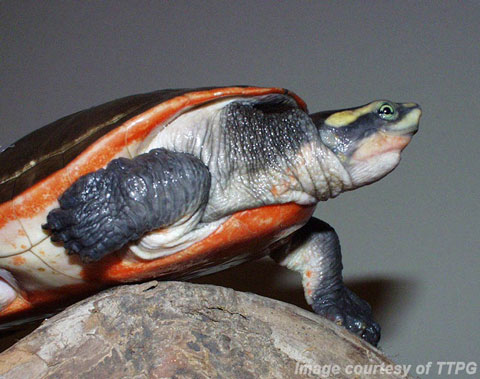
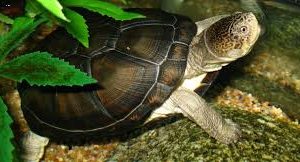
The Emydura subglobosa turtle is a stunning freshwater species widely admired for its bright red or pink markings and smooth shell. Commonly known as the Pink-Bellied Side-Neck Turtle, this species is both visually striking and relatively manageable when proper care is provided.
At thetortoisenturtlesource.com, we provide detailed reptile care guides to help keepers successfully raise healthy turtles. In this complete guide, you will learn everything about habitat setup, feeding, water quality, temperature, behavior, and long-term care for the Emydura subglobosa turtle.
This species thrives in clean aquatic environments with stable conditions and proper basking areas.
What Is Emydura subglobosa?
The Emydura subglobosa is a freshwater side-neck turtle native to Australia and New Guinea. It gets its common name from the distinctive pink or reddish coloration on its plastron (belly).
Like other side-neck turtles, it bends its neck sideways under its shell instead of retracting it straight back.
It is an aquatic species that spends most of its time in water but still requires basking access.
This species is considered beginner-friendly compared to many other exotic turtles.
Natural Habitat and Behavior in the Wild
In the wild, Emydura subglobosa turtles inhabit rivers, lagoons, ponds, and slow-moving freshwater systems. These environments are warm, calm, and often rich in vegetation.
They are active swimmers and spend much of their time exploring the water. They also bask occasionally to regulate body temperature.
Their natural diet includes aquatic plants, insects, small fish, and organic material.
Understanding this aquatic lifestyle is key to proper care.
Tank Setup and Enclosure Requirements
A proper aquatic enclosure is essential.
Tank Size
- Hatchlings: 40–75 gallon tank
- Adults: 75–120+ gallon tank
Larger tanks improve water quality and allow natural swimming behavior.
Water Area Setup
The aquatic section should include:
- Deep swimming space
- Strong filtration system
- Smooth substrate or bare bottom
- Aquatic plants or decorations
Clean water is critical for health.
Basking Area
Provide a basking area with:
- Heat lamp (85–90°F)
- UVB lighting
- Stable platform
- Easy access
Even though they bask less frequently, it is still necessary.
Temperature and Water Requirements
Stable temperature ensures proper metabolism.
Temperature Range
- Water temperature: 75–82°F (24–28°C)
- Basking area: 85–90°F (29–32°C)
- Night drop: slight cooling acceptable
Water Quality
- Strong filtration system required
- Weekly partial water changes
- Clean, oxygen-rich water
- Monitor ammonia and nitrate levels
Poor water quality can lead to illness.
Lighting and UVB Needs
UVB lighting is essential for calcium absorption and shell health.
Provide:
- UVB lighting for 10–12 hours daily
- Heat lamp for basking
- Proper positioning
Natural sunlight can also be beneficial.
Feeding and Diet Plan
The Emydura subglobosa turtle is omnivorous and requires a balanced diet.
Protein Sources
- Turtle pellets
- Insects
- Earthworms
- Small fish
- Shrimp (occasional)
Plant-Based Foods
- Aquatic plants
- Leafy greens
- Vegetables (occasionally)
Feeding Schedule
- Hatchlings: daily feeding
- Juveniles: daily or every other day
- Adults: every 2–3 days
Diet should include both protein and plant matter.
Behavior and Temperament
Emydura subglobosa turtles are active, curious, and generally calm. They adapt well to captivity and may become more interactive during feeding time.
They are not ideal for handling and should be observed rather than frequently touched.
They are excellent display turtles.
Health and Common Problems
Proper care helps prevent health issues.
Common Health Problems
- Shell rot from poor water quality
- Respiratory infections from low temperatures
- Nutritional deficiencies
- Parasites
Prevention Tips
- Maintain clean filtered water
- Provide UVB lighting daily
- Offer balanced diet
- Keep stable temperatures
- Avoid overcrowding
Growth and Lifespan
With proper care, Emydura subglobosa turtles can live 20–30 years or more. Growth depends on diet and enclosure quality.
They require long-term commitment.
Tank Mates and Compatibility
They can sometimes be housed with other peaceful turtles, but monitoring is required.
Solitary housing is safest for beginners.
Handling and Interaction
Handling should be minimal. These turtles prefer stable environments and may become stressed if handled too often.
Observation is best.
Breeding Overview
Breeding is possible in captivity with proper conditions. Females lay eggs on land in sandy substrate.
Incubation requires controlled temperature and humidity.
Expert Care Tips
Here are professional recommendations:
- Provide large swimming space
- Maintain strong filtration system
- Use UVB and basking heat daily
- Offer varied omnivorous diet
- Keep water clean at all times
- Provide proper basking platform
Why Emydura subglobosa Is Popular
It is popular because it is:
- Brightly colored and attractive
- Active and engaging
- Beginner-friendly
- Hardy and adaptable
- Long-lived
Final Thoughts
The Emydura subglobosa turtle is a beautiful and active freshwater species that thrives in clean, well-maintained aquatic environments. With proper tank setup, UVB lighting, and balanced diet, it can live a long and healthy life.
It is an excellent choice for both beginners and experienced keepers.
At thetortoisenturtlesource.com, we promote responsible reptile keeping and proper husbandry practices to ensure every turtle thrives in captivity.

Reviews
There are no reviews yet.