African Sideneck Turtle Care Guide: Habitat, Diet, Tank Setup & Expert Tips
Introduction
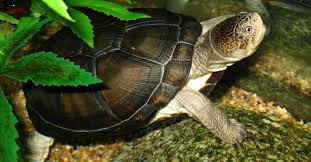
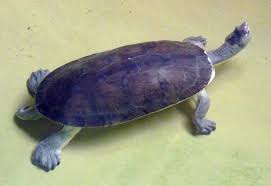
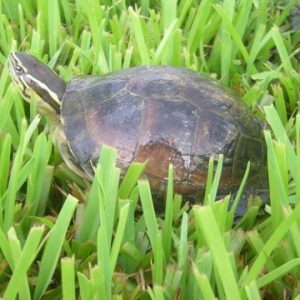
The African Sideneck Turtle is one of the most popular and unique freshwater turtles in the reptile hobby. It is well known for its long neck that bends sideways instead of retracting straight into the shell like most turtles. This unusual feature makes it both fascinating and easy to recognize.
At thetortoisenturtlesource.com, we provide detailed reptile care guides to help beginners and experienced keepers successfully raise healthy turtles. In this complete article, you will learn everything about habitat setup, feeding, behavior, tank requirements, and long-term care for the African Sideneck Turtle.
This species is fully aquatic but also enjoys basking and exploring its environment. With proper care, it becomes an active, long-lived, and rewarding reptile companion.
What Is an African Sideneck Turtle?
The African Sideneck Turtle belongs to the genus Pelomedusa or Pelusios, depending on the specific type. It is native to Africa and is known for its side-folding neck defense system, which helps it tuck its head under the shell edge instead of pulling it straight back.
This species is hardy, adaptable, and often recommended for keepers who want a unique aquatic turtle that is easier to care for compared to more sensitive species.
It is an active swimmer, a strong feeder, and a curious explorer when properly housed.
Natural Habitat and Behavior in the Wild
In the wild, African Sideneck Turtles are found in ponds, rivers, marshes, lakes, and seasonal wetlands across Africa. They prefer warm, slow-moving freshwater environments with muddy or sandy bottoms.
They are opportunistic feeders and will eat almost anything they can catch, including insects, fish, worms, and aquatic plants.
During dry seasons, some populations may burrow into mud to survive until water returns. This makes them highly adaptable to changing environments.
Aquarium Setup and Tank Requirements
Proper enclosure setup is essential for keeping this species healthy and active.
Tank Size
Juveniles can start in a 40–75 gallon tank, but adults require 100 gallons or more depending on size. Larger tanks are always better due to their active swimming behavior.
Water Conditions
Clean water is critical for health. A strong filtration system is necessary because this species produces a moderate to high waste load.
Regular partial water changes help maintain water quality and prevent disease.
Water should be kept warm and stable at all times.
Basking Area
A dry basking platform must be provided. Although they are aquatic, African Sideneck Turtles regularly bask to regulate body temperature.
A heat lamp should be used to maintain proper basking temperatures.
UVB Lighting
UVB lighting is essential for calcium absorption and shell health. Without UVB exposure, turtles may develop serious metabolic bone issues.
Lighting should be provided for 10–12 hours per day.
Substrate and Decorations
Soft sand or smooth gravel is ideal. Many keepers prefer sand because it mimics their natural habitat.
Driftwood, rocks, and aquatic plants can be added for enrichment and hiding spots.
Feeding and Diet Plan
The African Sideneck Turtle is omnivorous and has a strong appetite. A varied diet is important for long-term health.
Protein Sources
- Earthworms
- Crickets
- Small fish
- Shrimp
- Snails
- Commercial turtle pellets
Juveniles require more protein for growth.
Plant-Based Foods
- Aquatic plants
- Leafy greens
- Duckweed
- Water lettuce
Adults tend to consume more plant matter compared to juveniles.
Feeding Schedule
- Juveniles: daily feeding
- Adults: every 2–3 days
Overfeeding should be avoided to maintain water quality and prevent obesity.
Behavior and Temperament
African Sideneck Turtles are active, curious, and generally hardy. They are not shy compared to many other turtle species and often become more confident over time.
They are not ideal for frequent handling but can become accustomed to their keeper’s presence during feeding times.
They are strong swimmers and spend most of their time in the water exploring their environment.
Health and Common Problems
Proper care is essential for preventing health issues.
Common Health Problems
- Shell rot from dirty water
- Respiratory infections from cold temperatures
- Parasites from contaminated food
- Vitamin deficiencies from poor diet
Prevention Tips
- Maintain strong filtration
- Keep water warm and clean
- Provide UVB lighting
- Offer a balanced diet
- Avoid overcrowding
Good husbandry is the most important factor in long-term health.
Growth and Lifespan
With proper care, African Sideneck Turtles can live for several decades. Growth depends on diet, water quality, and tank size.
Juveniles grow quickly when fed properly, while adults grow more slowly but require stable conditions.
A consistent environment supports long-term health and vitality.
Tank Mates and Compatibility
This species can sometimes coexist with other turtles in very large tanks or ponds, but caution is needed due to feeding aggression.
In smaller setups, solitary housing is recommended to prevent competition and stress.
Always monitor interactions closely if housed with other animals.
Handling and Interaction
African Sideneck Turtles are not handling pets. Excess handling can cause stress and may lead to defensive behavior.
They are best observed in their habitat, especially during feeding and swimming activity.
If handling is necessary, it should be done carefully and minimally.
Breeding Overview
Breeding in captivity is possible but requires experience. Females lay eggs in soft soil or sand near water.
Incubation requires stable temperature and humidity conditions for successful hatching.
Because of their care requirements, breeding is usually done by experienced keepers.
Expert Care Tips
Here are professional recommendations:
- Maintain warm, stable water temperatures
- Use strong filtration systems
- Provide UVB lighting daily
- Offer a varied omnivorous diet
- Include both swimming and basking areas
- Avoid overcrowding
These practices help ensure long-term health and stability.
Why African Sideneck Turtles Are Popular
They are popular because they are:
- Unique with side-neck movement
- Hardy and adaptable
- Active and entertaining swimmers
- Long-lived reptiles
- Suitable for moderately experienced keepers
They are one of the most interesting aquatic turtles in the hobby.
Final Thoughts
The African Sideneck Turtle is a fascinating and hardy aquatic species that thrives in properly maintained environments. With clean water, proper diet, UVB lighting, and enough space, it can live a long and healthy life in captivity.
It is best suited for keepers who can maintain stable aquatic conditions and provide consistent care.
At thetortoisenturtlesource.com, we promote responsible reptile keeping and proper husbandry practices to ensure every turtle thrives in captivity.

Reviews
There are no reviews yet.