
Elseya branderhorsti Turtle Care Guide: Habitat, Diet, Enclosure Setup & Expert Tips
Introduction
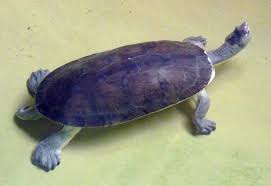
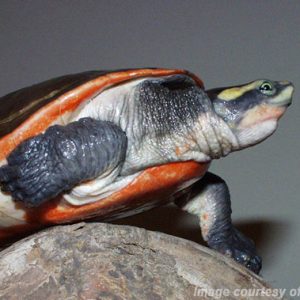
The Elseya branderhorsti turtle is a rare and specialized freshwater turtle species native to New Guinea. Known for its large size, strong aquatic lifestyle, and unique appearance, this species is highly sought after by advanced turtle keepers and serious enthusiasts.
At thetortoisenturtlesource.com, we provide detailed reptile care guides to help keepers understand proper husbandry and improve long-term success. In this complete article, you will learn everything about habitat setup, feeding, water quality, temperature, behavior, and long-term care for Elseya branderhorsti turtles.
This species requires large aquatic systems, stable warm water, and high-quality filtration to thrive in captivity.
What Is Elseya branderhorsti?
Elseya branderhorsti is a large freshwater turtle belonging to the Australasian snapping turtle group (family Chelidae). It is native to the rivers and freshwater systems of New Guinea.
Unlike many small turtles, this species grows large and requires significant swimming space. It is fully aquatic and rarely leaves the water except for basking or nesting in suitable conditions.
Due to its size and environmental needs, it is considered an advanced-level species in the reptile hobby.
Natural Habitat and Behavior in the Wild
In the wild, Elseya branderhorsti inhabits slow-moving rivers, deep pools, floodplains, and large freshwater systems. These environments are warm, oxygen-rich, and filled with submerged vegetation and riverbanks.
It spends most of its time underwater, feeding, resting, or moving slowly along the riverbed. It is generally shy and prefers deep water areas for protection.
Its natural diet includes aquatic plants, fruits that fall into the water, fish, insects, and carrion.
Understanding its river-based lifestyle is essential for proper captive care.
Enclosure Setup and Housing Requirements
A proper enclosure must be large, stable, and fully aquatic.
Enclosure Size
Juveniles can be housed in a 75–100 gallon tank. Adults require very large custom setups, often 8×4 feet or larger, or indoor ponds.
Water volume and swimming space are critical for this species.
Water Area Setup
The aquatic system should include:
- Deep, stable water levels
- Strong but controlled filtration
- Large swimming space
- Submerged logs and driftwood
- Aquatic plants for cover
Clean water is essential for long-term health.
Basking Area
A dry basking platform must be provided. This helps with thermoregulation and shell health.
The basking area should include:
- Heat lamp
- UVB lighting
- Easy access from water
Temperature and Water Requirements
Stable warm conditions are essential.
Temperature Range
- Water temperature: 76–82°F (24–28°C)
- Basking area: 85–90°F (29–32°C)
- Night drop: slight cooling acceptable
Water Quality
This species is highly sensitive to poor water quality. Strong filtration and regular maintenance are required.
Key water parameters:
- Clean, oxygenated water
- Low ammonia and nitrate levels
- Regular partial water changes
Lighting and UVB Needs
UVB lighting is important for calcium metabolism and overall shell health. A 10–12 hour light cycle should be maintained daily.
Basking heat and UVB should always be available together.
Feeding and Diet Plan
Elseya branderhorsti turtles are omnivorous and require a balanced diet.
Protein Sources
- Fish (small or chopped)
- Earthworms
- Snails
- Insects
- Commercial aquatic turtle pellets
Plant-Based Foods
- Aquatic plants
- Leafy greens
- Fruits (occasional and limited)
- Algae and natural vegetation
Feeding Schedule
- Juveniles: daily feeding
- Adults: every 2–3 days
A varied diet helps maintain strong growth and immune health.
Behavior and Temperament
This species is generally shy and cautious, especially in captivity. It prefers deep water areas and will often retreat when disturbed.
It is not a handling pet and should be observed rather than interacted with frequently.
Once acclimated, it becomes more confident during feeding time.
Health and Common Problems
Proper care is essential to prevent health issues.
Common Health Problems
- Shell rot from poor water quality
- Respiratory infections from improper temperatures
- Parasites from wild-caught individuals
- Nutritional imbalance from poor diet
Prevention Tips
- Maintain strong filtration systems
- Provide stable warm water conditions
- Offer a balanced omnivorous diet
- Ensure proper UVB exposure
- Avoid overcrowding
Growth and Lifespan
With proper care, Elseya branderhorsti turtles can live for several decades. They grow large and require long-term commitment.
Growth depends on diet quality, water conditions, and enclosure size.
Tank Mates and Compatibility
This species can sometimes be kept with other large, peaceful aquatic turtles in very large enclosures. However, feeding competition and space issues must be monitored.
For most keepers, solitary housing is safer.
Handling and Interaction
Handling should be minimized. This species is aquatic and stress-sensitive, and frequent handling can negatively affect feeding and health.
Observation is the best form of interaction.
Breeding Overview
Breeding in captivity is rare and requires large, stable aquatic systems and nesting areas. Females lay eggs in sandy or soft soil areas near water.
Incubation requires controlled temperature and humidity.
Due to size and complexity, breeding is typically for advanced keepers or institutions.
Expert Care Tips
Here are professional recommendations:
- Provide large deep-water enclosure
- Maintain excellent filtration and water quality
- Use UVB and basking heat daily
- Offer a varied omnivorous diet
- Ensure stable temperatures year-round
- Provide submerged hiding structures
Why Elseya branderhorsti Is Special
It is popular because it is:
- A rare New Guinea freshwater species
- Large and impressive in size
- Strong aquatic swimmer
- Unique in behavior and appearance
- Highly valued by advanced keepers
Final Thoughts
Elseya branderhorsti turtles are powerful, large aquatic turtles that require spacious enclosures, clean water, and stable care conditions. With proper husbandry, they can thrive and live long, healthy lives in captivity.
They are best suited for experienced keepers who can provide large aquatic systems and consistent maintenance.
At thetortoisenturtlesource.com, we promote responsible reptile keeping and proper husbandry practices to ensure every turtle thrives in captivity.
Reviews
There are no reviews yet.