

Ornate Wood Turtle Care Guide: Habitat, Diet, Enclosure Setup & Expert Tips
Introduction
The Ornate Wood Turtle is one of the most beautiful and unique semi-terrestrial turtles in the reptile hobby. The Ornate Wood Turtle is admired for its vibrant shell patterns, calm behavior, and adaptability to both land and shallow water environments when properly cared for.
At thetortoisenturtlesource.com, we provide reliable reptile care guides to help beginners and experienced keepers raise healthy turtles in captivity. In this complete article, you will learn everything about habitat setup, diet, humidity, temperature, behavior, and long-term care requirements for the Ornate Wood Turtle.
This species is not fully aquatic like many common pet turtles. Instead, it lives in a mixed environment where land, moisture, and shallow water all play important roles. Because of this, proper enclosure design is essential for long-term health and survival.
When properly maintained, the Ornate Wood Turtle becomes a hardy, active, and long-lived reptile that is both rewarding and visually stunning to keep.
What Is an Ornate Wood Turtle?
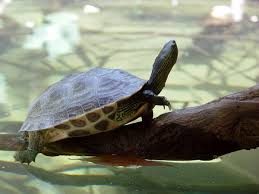
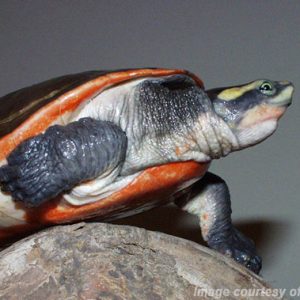
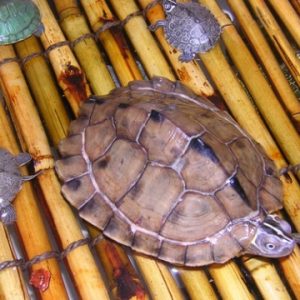
The Ornate Wood Turtle belongs to the genus Rhinoclemmys, a group of wood turtles native to parts of Central America. It is known for its beautifully patterned shell, which often includes orange, yellow, and dark markings that make it stand out among other turtle species.
Unlike fully aquatic turtles, this species spends a large portion of its time on land. It prefers humid forest floors, shallow streams, and areas with dense vegetation.
One of its most interesting traits is its adaptability. While it is not a strong swimmer like river turtles, it can comfortably use shallow water for soaking and hydration while spending most of its time exploring land areas.
The Ornate Wood Turtle is often considered a beginner-friendly species for keepers who can maintain humidity and stable environmental conditions.
Natural Habitat and Behavior in the Wild
In the wild, the Ornate Wood Turtle is found in tropical and subtropical forests, grasslands, and areas near slow-moving water sources. These environments are warm, humid, and filled with leaf litter, fallen logs, and dense vegetation.
It is a semi-terrestrial species, meaning it splits its time between land and shallow water. During the day, it often hides under plants or debris to avoid heat and predators. It becomes more active during cooler parts of the day.
Its natural diet includes insects, worms, fruits, leaves, and small aquatic organisms. This varied diet is important to replicate in captivity for proper health and growth.
Understanding its wild behavior helps create a proper enclosure that supports both physical health and natural instincts.
Enclosure Setup and Housing Requirements
A proper enclosure is the most important factor in successfully keeping an Ornate Wood Turtle. Because this species is semi-terrestrial, it requires both land and shallow water areas.
Enclosure Size
A minimum of a 40-gallon enclosure is recommended for a single juvenile. Adults will require much larger custom setups, often 75 gallons or more, or even indoor tortoise table-style enclosures.
Bigger is always better, especially for adults that enjoy exploring.
Land and Water Balance
The enclosure should be mostly land-based, with a shallow water section for soaking. The water area should be easy to enter and exit to prevent stress or drowning risks.
The land area should include soft substrate, plants, and hiding spaces to mimic a natural forest floor.
Substrate
A moisture-retaining substrate is essential for this species. Ideal options include:
- Coconut coir
- Organic topsoil (chemical-free)
- Cypress mulch
The substrate should remain slightly damp at all times but never waterlogged.
Hiding Areas
The Ornate Wood Turtle is shy by nature and requires multiple hiding spots. These can include:
- Cork bark pieces
- Leaf litter
- Artificial caves
- Live or artificial plants
Hiding areas reduce stress and encourage natural behavior.
Temperature and Humidity Requirements
Maintaining proper temperature and humidity is critical for this species.
Temperature Range
- Basking area: 85–90°F (29–32°C)
- Cool zone: 72–78°F (22–26°C)
- Night temperature: slight drop is acceptable
A heat lamp should always be provided to maintain a stable basking area.
Humidity Levels
Humidity should remain between 70–90%. The Ornate Wood Turtle depends heavily on moisture to maintain healthy skin, shell, and respiratory function.
Low humidity can quickly lead to dehydration and respiratory infections, while overly wet conditions can cause shell and skin problems.
Regular misting and proper substrate choice help maintain balance.
Lighting and UVB Needs
UVB lighting is essential for calcium absorption and shell health. Without UVB exposure, turtles may develop serious conditions such as metabolic bone disease.
A UVB light should be provided for 10–12 hours daily, along with a heat lamp for basking.
Even though this species is not a strong basker compared to aquatic turtles, UVB exposure is still critical for long-term health.
Feeding and Diet Plan
The Ornate Wood Turtle is omnivorous, meaning it eats both plant and animal matter. A varied diet is essential for proper growth and health.
Protein Sources
- Earthworms
- Crickets
- Snails
- Mealworms (in moderation)
- Small insects
Protein supports growth and energy, especially in younger turtles.
Plant-Based Foods
- Leafy greens
- Dandelion leaves
- Hibiscus flowers
- Fruits (banana, papaya, berries in moderation)
Adults tend to consume more plant matter compared to juveniles.
Feeding Schedule
- Juveniles: daily feeding
- Adults: every 2–3 days
Overfeeding should be avoided to maintain healthy weight and clean enclosure conditions.
Behavior and Temperament
The Ornate Wood Turtle is generally calm, shy, and slow-moving. It prefers hiding and exploring rather than active swimming or basking in open areas.
It may become more active during feeding time or in cooler hours of the day.
While it can become somewhat comfortable with its keeper over time, it is not a handling-friendly species. Excess handling can cause stress and should be avoided.
Health and Common Problems
Proper care is essential to prevent common health issues. Most problems come from incorrect humidity, temperature instability, or poor diet.
Common Health Issues
- Respiratory infections from low humidity
- Shell rot from overly wet conditions
- Parasites from contaminated food
- Vitamin deficiencies from poor diet
Prevention Tips
- Maintain stable humidity levels
- Provide UVB lighting daily
- Keep enclosure clean and balanced
- Offer a varied diet
- Avoid sudden temperature changes
Good husbandry is the key to long-term success.
Growth and Lifespan
With proper care, the Ornate Wood Turtle can live for several decades in captivity. Growth is slow and steady, depending on diet, temperature, and environmental stability.
Juveniles grow faster and require more frequent feeding, while adults need stable conditions and less protein-heavy diets.
A consistent environment greatly improves lifespan and overall health.
Tank Mates and Compatibility
This species is best kept alone due to its shy nature and semi-terrestrial lifestyle. Housing multiple turtles together can lead to stress or competition for food.
In very large, naturalistic enclosures, cohabitation may be possible, but it is not recommended for beginners.
Solitary housing ensures better health and reduced stress.
Breeding Overview
Breeding the Ornate Wood Turtle in captivity is possible but requires advanced experience. Proper temperature cycling, nesting areas, and healthy adult pairs are necessary.
Females lay eggs in soft, moist soil. Incubation must be carefully controlled for successful hatching.
Because of its environmental sensitivity, breeding is typically done only by experienced keepers.
Expert Care Tips
Here are professional care recommendations:
- Maintain high humidity at all times
- Provide a land-dominant enclosure
- Use UVB lighting daily
- Offer a varied omnivorous diet
- Keep substrate moist but not soaked
- Monitor temperature and humidity regularly
These practices help ensure long-term health and stability.
Why the Ornate Wood Turtle Is Special
The Ornate Wood Turtle is highly valued because it is:
- Beautifully patterned and colorful
- Semi-terrestrial and unique in behavior
- Moderately sized and manageable
- Long-lived with proper care
- Interesting to observe in naturalistic setups
It is one of the most visually appealing wood turtle species in the reptile hobby.
Final Thoughts
The Ornate Wood Turtle is a remarkable reptile that thrives in carefully balanced environments that replicate its natural habitat. With proper humidity, temperature control, diet, and enclosure design, it can live a long and healthy life in captivity.
Success with this species depends on consistency and attention to environmental detail.
At thetortoisenturtlesource.com, we encourage responsible reptile keeping and proper husbandry practices to ensure every turtle receives the care it needs to thrive.

Reviews
There are no reviews yet.