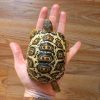
Leopard Tortoise Care Guide: Habitat, Diet, Enclosure Setup & Expert Tips
Introduction
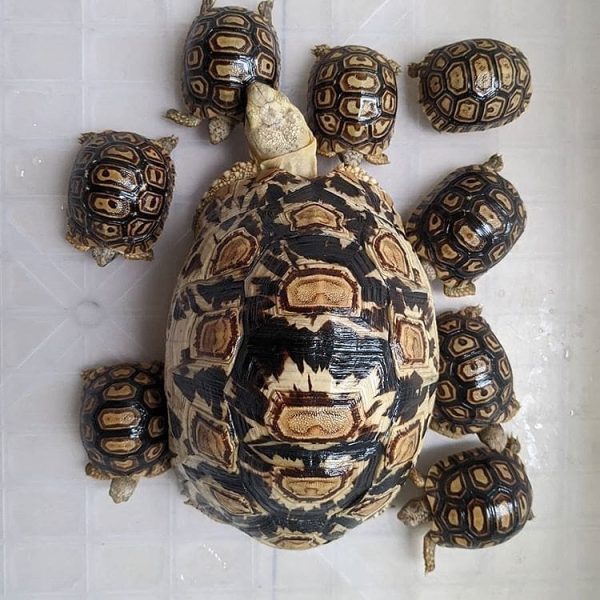
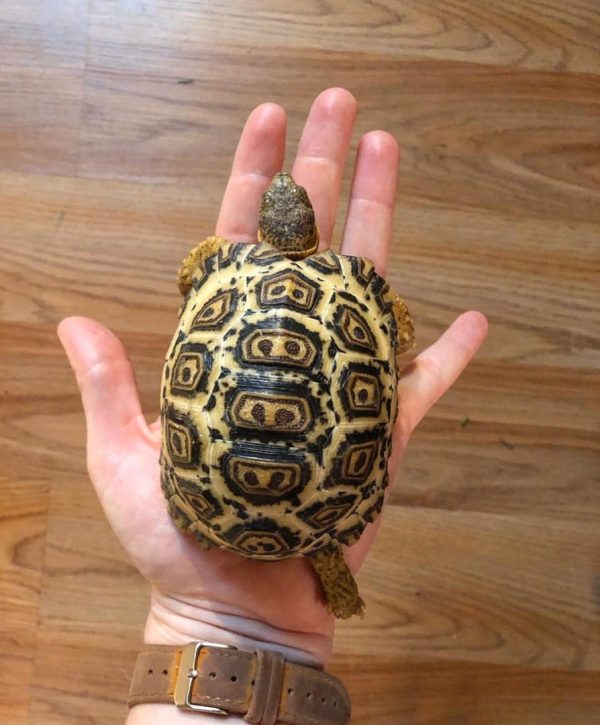
The Leopard Tortoise is one of the most beautiful and iconic tortoise species in the world, known for its striking black-and-yellow patterned shell that resembles a leopard’s spots. This large African tortoise is popular among reptile keepers due to its calm temperament, impressive size, and long lifespan.
At thetortoisenturtlesource.com, we provide detailed reptile care guides to help keepers raise healthy reptiles responsibly. In this complete guide, you will learn everything about habitat setup, feeding, temperature, humidity, behavior, and long-term care for the Leopard Tortoise.
This species requires spacious enclosures, warm temperatures, and careful humidity management to thrive.
What Is a Leopard Tortoise?
The Leopard Tortoise (Stigmochelys pardalis) is a large terrestrial tortoise native to eastern and southern Africa. It is one of the largest tortoise species in Africa and is well known for its high-domed shell with bold, spotted patterns.
It is a fully land-dwelling species that does not require water areas like aquatic turtles but does need access to shallow water for soaking and hydration.
This species is considered moderately advanced due to its size and environmental needs.
Natural Habitat and Behavior in the Wild
In the wild, Leopard Tortoises inhabit savannas, grasslands, and semi-arid scrublands. These environments are warm, open, and dominated by grasses and shrubs.
They are grazers that spend much of their time walking long distances in search of food.
During extreme heat, they may seek shade under bushes or use abandoned burrows for shelter.
Their natural diet consists primarily of grasses and leafy vegetation.
Understanding this open grassland lifestyle is essential for proper captive care.
Enclosure Setup and Housing Requirements
A large, open enclosure is essential.
Enclosure Size
- Hatchlings: 40–75 gallon enclosure
- Juveniles: 4×2 feet minimum
- Adults: 8×4 feet or larger (outdoor pens preferred)
Space is extremely important for healthy growth.
Substrate
Recommended substrates include:
- Organic topsoil
- Grass soil mix
- Dry hay areas
- Slightly sandy patches
Substrate should allow natural grazing and walking behavior.
Shelter and Hiding Areas
Provide:
- Wooden hides
- Bush-like cover
- Shade structures
Even open-country tortoises need secure hiding spaces.
Temperature and Humidity Requirements
Stable conditions are essential.
Temperature Range
- Basking area: 95–100°F (35–38°C)
- Ambient temperature: 75–85°F (24–29°C)
- Night drop: 70–75°F (21–24°C)
Humidity Levels
Humidity should be moderate depending on age:
- Hatchlings: 60–80% (higher humidity needed for growth)
- Adults: 40–60%
Proper humidity prevents shell pyramiding in juveniles.
Lighting and UVB Needs
UVB lighting is absolutely essential.
Provide:
- Strong UVB lighting (10–12 hours daily)
- High-intensity basking lamp
- Natural sunlight when possible
UVB exposure supports shell development and calcium metabolism.
Feeding and Diet Plan
The Leopard Tortoise is strictly herbivorous and requires a high-fiber diet.
Primary Foods
- Grasses
- Hay (timothy, orchard grass)
- Dandelion greens
- Weeds
- Hibiscus leaves
Occasional Foods
- Opuntia cactus (prickly pear)
- Edible flowers
Avoid fruits and high-protein foods.
Feeding Schedule
- Juveniles: daily feeding
- Adults: every 1–2 days depending on growth and activity
A fiber-rich diet is essential for digestive health.
Behavior and Temperament
Leopard Tortoises are generally calm, slow-moving, and non-aggressive. They are active during the day and spend most of their time grazing.
They are not handling pets and prefer minimal interaction.
They thrive best in spacious outdoor-style environments.
Health and Common Problems
Proper care prevents most issues.
Common Health Problems
- Shell pyramiding from improper humidity
- Respiratory infections from damp/cold conditions
- Nutritional deficiencies from poor diet
- Overgrowth or obesity from incorrect feeding
Prevention Tips
- Maintain proper UVB exposure
- Provide high-fiber grass-based diet
- Balance humidity by age
- Offer large outdoor space when possible
- Avoid protein-rich foods
Growth and Lifespan
With proper care, Leopard Tortoises can live 50–100 years. They grow steadily and can become very large.
Long-term commitment is essential for this species.
Tank Mates and Compatibility
This species is best kept alone or in carefully managed groups. Overcrowding can lead to stress and competition.
Solitary housing is safest for most keepers.
Handling and Interaction
Handling should be minimal. Leopard Tortoises are best observed rather than handled frequently.
They are naturally calm but still stress-sensitive.
Breeding Overview
Breeding is possible in large outdoor enclosures. Females lay multiple eggs in sandy soil nests.
Incubation requires stable temperature and humidity control.
Breeding is typically for experienced keepers.
Expert Care Tips
Here are professional recommendations:
- Provide large outdoor grazing space
- Maintain strong UVB lighting
- Feed only high-fiber grasses and weeds
- Avoid fruits and high protein foods
- Ensure proper hydration and soaking
- Prevent excessive humidity in adults
Why Leopard Tortoises Are Popular
They are popular because they are:
- Beautiful and highly patterned
- Long-lived and impressive in size
- Calm and easy to observe
- Herbivorous and predictable in care
- Iconic African tortoise species
Final Thoughts
The Leopard Tortoise is a magnificent and long-lived species that thrives in warm, open grassland-style environments. With proper diet, UVB lighting, and spacious housing, it can live for many decades in captivity.
It is best suited for dedicated keepers who can provide large, naturalistic enclosures and long-term care.
At thetortoisenturtlesource.com, we promote responsible reptile keeping and proper husbandry practices to ensure every tortoise thrives in captivity.

Reviews
There are no reviews yet.