

Spider Tortoise Care Guide: Habitat, Diet, Enclosure Setup & Expert Tips
Introduction
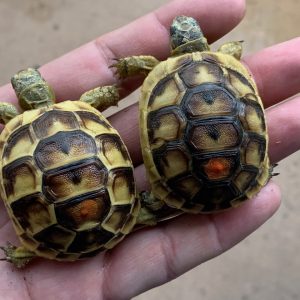
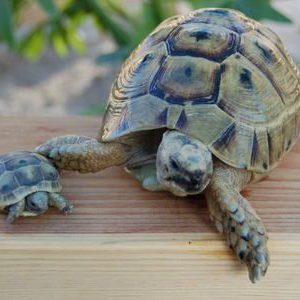
The Spider Tortoise is one of the most visually striking and rare tortoise species in the world. Known for its beautiful star-like shell patterns that resemble a spider web, this small tortoise is highly sought after by collectors and experienced reptile keepers.
At thetortoisenturtlesource.com, we provide expert reptile care guides to help you raise healthy animals responsibly. In this complete guide, you will learn everything about habitat setup, feeding, temperature, humidity, behavior, and long-term care for the Spider Tortoise.
Due to its delicate nature and specialized needs, this species is best suited for advanced keepers.
What Is a Spider Tortoise?
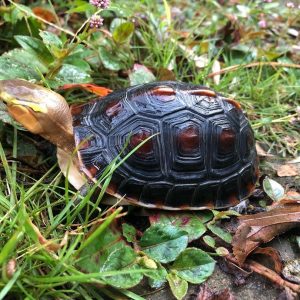
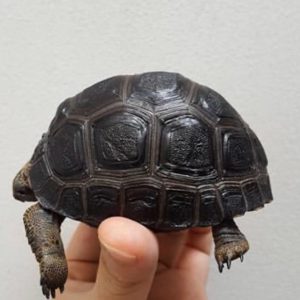
The Spider Tortoise (Pyxis arachnoides) is a small terrestrial tortoise native to Madagascar. It gets its name from the intricate web-like patterns radiating across its shell.
There are a few subspecies, each with slight variations in pattern and habitat preference, but all share similar care requirements.
This species is critically endangered in the wild due to habitat destruction and illegal collection, making responsible captive care extremely important.
Natural Habitat and Behavior in the Wild
In the wild, Spider Tortoises inhabit dry coastal forests and sandy scrublands in southern Madagascar. These environments are warm, dry, and seasonal, with periods of higher humidity during rainy seasons.
They are highly adapted to these conditions and spend much of their time hiding under vegetation or burrowing into sand.
They are most active during cooler, more humid periods and may aestivate (remain inactive) during extreme heat or drought.
Their natural diet consists of grasses, leaves, and native vegetation.
Understanding their seasonal behavior is key to proper care.
Enclosure Setup and Housing Requirements
A naturalistic enclosure is essential.
Enclosure Size
- Hatchlings: 20–40 gallon enclosure
- Adults: 3×2 feet minimum (larger preferred)
Outdoor enclosures are ideal in suitable climates but must be protected.
Substrate
The enclosure should include:
- Sandy soil mix
- Coconut coir (dry to slightly moist in some areas)
- Leaf litter
Substrate should allow for burrowing and hiding.
Hiding Areas
Provide:
- Dense plant cover
- Cork bark hides
- Natural shelters
Hiding spots are essential to reduce stress.
Temperature and Humidity Requirements
Balancing temperature and humidity is crucial.
Temperature Range
- Basking area: 88–92°F (31–33°C)
- Ambient temperature: 75–85°F (24–29°C)
- Night drop: 70–75°F (21–24°C)
Humidity Levels
Humidity should vary:
- Dry areas: 50–60%
- Humid hides: 70–80%
This gradient helps mimic natural seasonal conditions.
Lighting and UVB Needs
UVB lighting is essential for shell health and calcium metabolism.
Provide:
- UVB lighting for 10–12 hours daily
- Heat lamp for basking
- Natural sunlight when possible
Proper lighting is critical for long-term health.
Feeding and Diet Plan
The Spider Tortoise is herbivorous and requires a high-fiber diet.
Primary Foods
- Grasses
- Weeds
- Dandelion greens
- Hay
Occasional Foods
- Leafy greens (limited)
- Edible flowers
Avoid fruits and high-protein foods.
Feeding Schedule
- Daily feeding for juveniles and adults
A natural, fiber-rich diet is essential.
Behavior and Temperament
Spider Tortoises are shy, calm, and secretive. They spend much of their time hiding or resting.
They are sensitive to environmental changes and stress easily.
They are not suitable for handling and should be observed rather than touched.
Health and Common Problems
Proper care is critical due to their sensitivity.
Common Health Problems
- Respiratory infections from incorrect humidity
- Shell deformities from lack of UVB
- Dehydration or poor diet
- Stress-related illness
Prevention Tips
- Maintain proper humidity gradient
- Provide UVB lighting daily
- Offer high-fiber diet
- Keep enclosure clean
- Avoid frequent handling
Growth and Lifespan
With proper care, Spider Tortoises can live 30–50 years. Growth is slow but steady.
Consistency in care ensures long-term health.
Tank Mates and Compatibility
This species is best kept alone or in carefully managed groups. Overcrowding can lead to stress.
Solitary housing is recommended for most keepers.
Handling and Interaction
Handling should be minimal. Spider Tortoises are delicate and easily stressed.
Observation is the best interaction method.
Breeding Overview
Breeding is possible in captivity but requires precise seasonal cycling of temperature and humidity.
Females lay eggs in sandy substrate.
Incubation requires controlled environmental conditions.
Expert Care Tips
Here are professional recommendations:
- Provide sandy, naturalistic enclosure
- Maintain humidity gradient
- Use UVB lighting daily
- Offer high-fiber herbivorous diet
- Provide multiple hiding areas
- Avoid stress and handling
Why Spider Tortoises Are Special
They are popular because they are:
- Extremely beautiful with unique shell patterns
- Rare and highly sought after
- Small and manageable in size
- Fascinating desert-adapted species
- Valuable for conservation efforts
Final Thoughts
The Spider Tortoise is a rare and delicate species that requires careful attention to humidity, temperature, and diet. With proper care, it can thrive and live a long, healthy life in captivity.
This species is best suited for experienced keepers who can provide stable, naturalistic environments.
At thetortoisenturtlesource.com, we promote responsible reptile keeping and conservation-focused practices to ensure every tortoise thrives safely and ethically.
Reviews
There are no reviews yet.